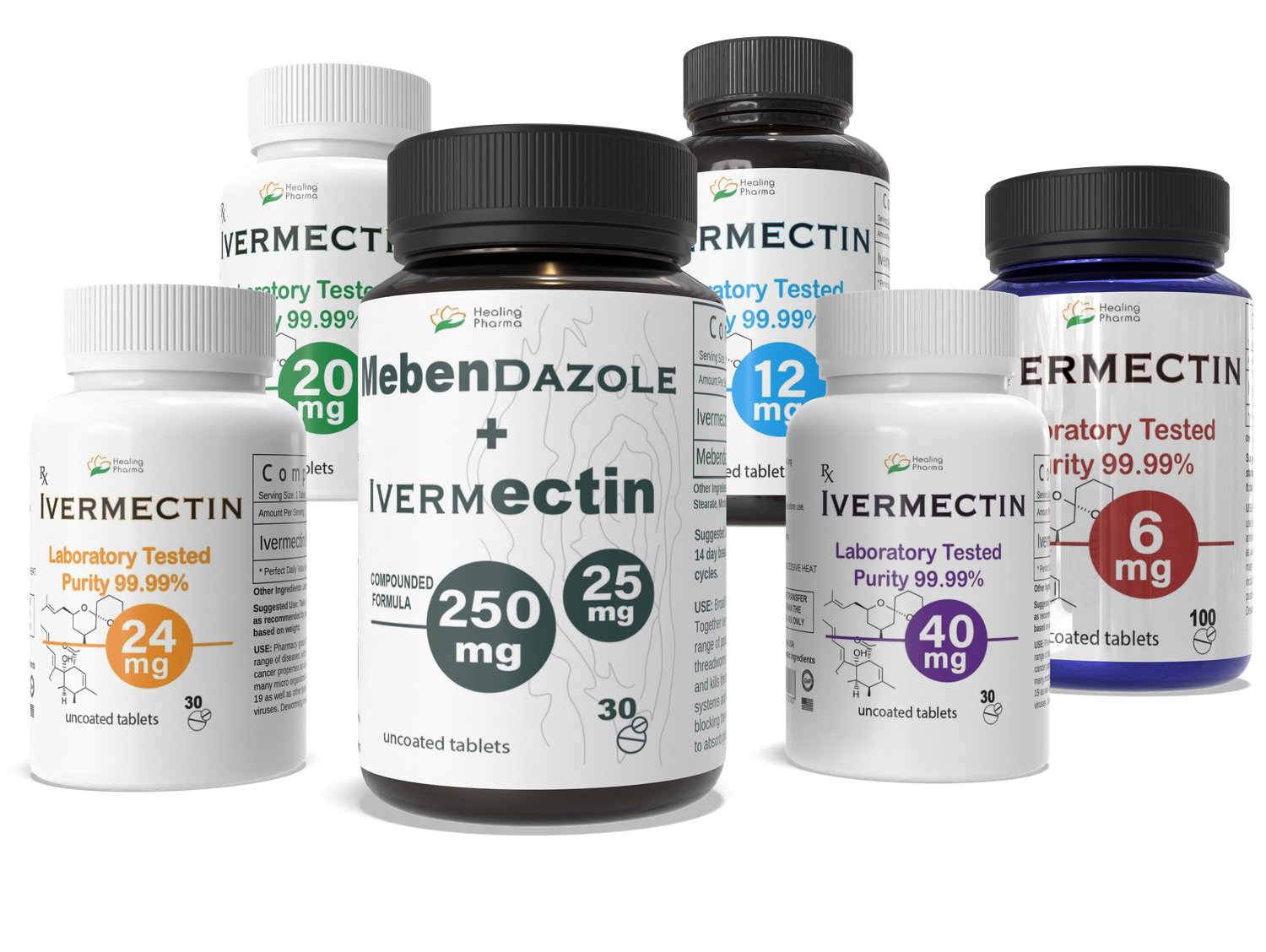
Fenbendazole for Cancer: Mechanisms, Research, Protocols & What Science Reveals
Fenbendazole is a veterinary antiparasitic from the benzimidazole class that has gained attention in cancer research due to its potential effects on microtubules, cellular metabolism, and apoptosis. While laboratory studies suggest promising biological mechanisms, there are currently no large-scale human clinical trials confirming its effectiveness as a cancer treatment. Ongoing research continues to explore its role within the broader field of drug repurposing.
Interest in repurposed medications has grown significantly in modern oncology research, as scientists investigate whether existing drugs—originally developed for other conditions—may influence cancer biology. Among these compounds, fenbendazole has become one of the most widely discussed in both scientific and online communities.
Much of this growing attention is connected to broader discussions around fenbendazole for cancer, as well as comparisons with other repurposed compounds explored in ivermectin for humans: uses, dosage, and safety. These topics often intersect in structured approaches such as the Joe Tippens protocol explained, which contributed significantly to public awareness.
Originally developed as a veterinary antiparasitic, fenbendazole belongs to the benzimidazole class—a group of compounds known for disrupting cellular structures essential for parasite survival. Researchers are now exploring whether these same mechanisms may influence tumor biology, a topic explored further in fenbendazole vs mebendazole for cancer and broader comparisons like ivermectin vs mebendazole vs fenbendazole for cancer.
What Is Fenbendazole?
Fenbendazole is a broad-spectrum antiparasitic drug used primarily in veterinary medicine. It is commonly administered to animals such as dogs, cats, horses, and livestock to treat intestinal worms and parasites.
The medication works by interfering with the parasite’s ability to absorb nutrients. It does this by disrupting structures inside the parasite's cells known as microtubules.
Microtubules are part of the cellular skeleton and are essential for several processes, including:
- cell structure
- intracellular transport
- cell division
Because cancer cells rely heavily on rapid cell division, researchers have investigated whether drugs that affect microtubules may influence tumor growth. This mechanism is discussed more deeply in fenbendazole dosage guide: how much is too much, where intake and biological activity are analyzed in greater detail.
How Fenbendazole May Affect Cancer Cells
Laboratory research suggests fenbendazole may interact with several cellular pathways that are relevant to cancer biology.
Some potential mechanisms observed in experimental studies include:
Microtubule Disruption
Like certain chemotherapy drugs, fenbendazole appears to interfere with microtubule formation. When these structures are disrupted, cells may be unable to divide properly.
Induction of Apoptosis
Apoptosis is a process known as programmed cell death. Some studies suggest fenbendazole may trigger apoptosis in certain cancer cell lines.
Effects on Cellular Metabolism
Cancer cells often rely heavily on glucose metabolism. Experimental findings suggest fenbendazole may interfere with these pathways, aligning with metabolic approaches discussed in ISOM protocol explained.
Oxidative Stress
Researchers have also observed that fenbendazole may increase oxidative stress within certain cancer cells, potentially contributing to cell death in experimental environments.
Educational Disclaimer This article is for research and informational purposes only. It does not constitute medical advice and is not a substitute for professional oncology consultation. Always discuss any investigational protocol with your physician.
It is important to note that most of these findings come from preclinical research, meaning they were observed in laboratory settings rather than large human clinical trials.
Why Fenbendazole Became Widely Discussed Online
Fenbendazole gained widespread public attention after anecdotal reports circulated online describing individuals who had used the drug during cancer treatment.
These stories spread quickly across forums, social media, and wellness communities. As interest grew, more people began researching whether the compound might have potential biological effects related to cancer.
However, anecdotal stories do not replace controlled clinical studies, which are necessary to determine safety, proper dosing, and effectiveness in humans.
Because fenbendazole is primarily a veterinary medication, formal human clinical research remains limited.
Fenbendazole and the Benzimidazole Drug Family
Fenbendazole belongs to a larger group of compounds called benzimidazoles.
Another drug in this class, Mebendazole, has been used in human medicine for decades to treat parasitic infections.
Researchers often compare these two compounds because they share similar molecular structures and mechanisms of action.
Some studies suggest that mebendazole may have potential anti-tumor properties in laboratory models and has even been investigated in early clinical research for certain cancers.
Because of its established human safety profile, mebendazole has been studied more extensively in clinical settings. This is why many researchers compare the two in fenbendazole vs mebendazole for cancer, where differences in bioavailability, research depth, and clinical data become important.
Quick Comparison: Fenbendazole vs Mebendazole
| Feature | Fenbendazole | Mebendazole |
|---|---|---|
| Drug class | Benzimidazole anthelmintic | Benzimidazole anthelmintic |
| Anti-cancer mechanisms | 4 distinct pathways (microtubules, glycolysis, p53, oxidative stress) | 2 primary pathways (microtubules, anti-angiogenic) |
| Drug-resistant cancer cells | ✅ Active against 5-FU resistant, glycolysis-dependent tumors | Weaker activity in glycolysis-heavy, drug-resistant cells |
| Approved for human use | Not as antiparasitic (not relevant to cancer use) | Yes — as antiparasitic only, not for cancer |
| Human cancer trial results | No trials yet — but growing case report base (2024–2026) | Phase I/II completed — no tumor responses as monotherapy |
| Oral bioavailability | Low — requires fatty meal (easy to address) | Higher baseline; still variable |
| Monthly cost | $10–30 (OTC) not pure! | $30–80 compounded; up to $10,000 brand Rx |
| Liver monitoring | ✅ Recommended | ✅ Required (especially high doses) |
Quick Summary
- Ivermectin is FDA-approved for human use (e.g., onchocerciasis, strongyloidiasis, scabies) and works rapidly by paralyzing parasites. It is also used extensively in veterinary medicine.
- Fenbendazole is a veterinary antiparasitic (e.g., Panacur®, Safe-Guard®) that works by disrupting parasite cell structure and metabolism over time
- Both are being studied in preclinical cancer research, but through very different biological mechanisms
- They are not interchangeable—the correct choice depends on species, parasite type, and medical context
👉 For a deeper breakdown, see fenbendazole vs mebendazole vs ivermectin for cancer.
Side-by-Side Comparison Fenbendazole and Ivermectin
Understanding the differences between fenbendazole and ivermectin is essential, as these compounds belong to entirely different drug classes and act through distinct biological mechanisms. While both are widely used antiparasitics in veterinary medicine, only ivermectin has established approval for human use.
| Category | Fenbendazole | Ivermectin |
|---|---|---|
| Drug Class | Benzimidazole | Avermectin (macrocyclic lactone) |
| Primary Mechanism | β-tubulin binding → microtubule disruption | Glutamate-gated chloride channels → parasite paralysis |
| Speed of Action | Gradual (2–3 days) | Rapid (hours to 1 day) |
| Veterinary Use | Dogs, cats, horses, cattle, poultry | Dogs, cats, horses, cattle, sheep, pigs |
| Human Approval | ❌ Not FDA-approved | ✅ FDA-approved (antiparasitic use only) |
| Parasite Spectrum | Roundworms, hookworms, whipworms, Giardia | Nematodes, mites, lice, filarial worms |
| Safety Margin | Very wide | Moderate (breed-sensitive in animals) |
| Administration | Oral (granules, suspension, paste) | Oral, injectable, topical |
| Global Recognition | No major awards | Yes — recognized with the Nobel Prize in Physiology or Medicine |
Nobel Prize in Physiology or Medicine recognized ivermectin’s impact in human medicine.
Full comparison: ivermectin vs mebendazole vs fenbendazole for cancer
What Current Research Shows
Scientific research into fenbendazole and cancer remains preliminary.
Laboratory studies have observed that benzimidazole compounds may:
- slow the growth of certain cancer cells
- interfere with microtubule function
- induce apoptosis in experimental models
- affect cellular metabolism
At present, there are few large-scale human clinical studies specifically examining fenbendazole for cancer.
A Phase I/II clinical trial (NCT05318469) is currently evaluating ivermectin in combination with immunotherapy, highlighting the growing clinical interest in repurposed drugs.
Related Areas of Research
Interest in fenbendazole often overlaps with research into other compounds and treatment approaches.
Scientists are studying a wide range of substances that may influence cancer-related pathways, including:
- repurposed pharmaceuticals
- plant-derived compounds
- metabolic therapies
- targeted molecular treatments
Understanding how these different strategies interact with biological systems may lead to new discoveries in the future.
These discussions are closely tied to frameworks such as the Joe Tippens protocol explained, which significantly amplified awareness across online communities.
Frequently Asked Questions
Is fenbendazole approved for cancer treatment?
No. Fenbendazole is not approved as a cancer treatment for humans. Current research is primarily limited to laboratory studies.
Why do researchers study antiparasitic drugs for cancer?
Some antiparasitic medications affect microtubules, structures required for cell division. Because cancer cells divide rapidly, researchers investigate whether such drugs may influence tumor growth.
Is fenbendazole the same as mebendazole?
No. Although both drugs belong to the benzimidazole family, Mebendazole is approved for human use while fenbendazole is primarily used in veterinary medicine.
Final Thoughts
Fenbendazole has become a widely discussed topic due to its intriguing biological mechanisms and anecdotal stories shared online. Laboratory research suggests that benzimidazole compounds may interact with cellular processes involved in cancer growth.
However, scientific investigation is still ongoing. Large, carefully designed clinical trials are required before researchers can determine whether fenbendazole or related compounds might play a role in future medical treatments.
For now, the most important takeaway is that research continues, and understanding the science behind emerging topics helps individuals make informed decisions about health information they encounter online.
Protocol Stack (Quick Links)
Below are commonly referenced Supplements in this article. Links are provided for convenience — always review the label and consult a professional before use.
90 capsules — 99% purity, laboratory tested
30 capsules — higher dose option
Disclaimer: For convenience only. Consult a licensed professional.
References
-
National Institutes of Health – database of biomedical research and cancer mechanisms
https://www.nih.gov/ -
ClinicalTrials.gov – ongoing clinical trials on repurposed drugs and cancer therapies
https://clinicaltrials.gov/ -
PubMed – peer-reviewed studies on benzimidazoles and oncology research
https://pubmed.ncbi.nlm.nih.gov/
About the Author
Petra Simmons Ray is a spiritual healer, medical intuitive, and researcher with a focus on integrative wellness, energy healing, and emerging scientific perspectives in health. With over 30 years of experience working with clients worldwide, she explores the intersection of intuitive insight and evolving medical research to help individuals better understand their health journeys.
Disclaimer
This article is for informational and educational purposes only. It does not provide medical advice, diagnosis, or treatment recommendations. Always consult a licensed healthcare professional before using any supplements or experimental compounds.
Links are informational and for convenience. This site does not provide medical advice and does not endorse any specific vendor. Always verify product quality, labeling, and consult a licensed professional for health decisions.