ISOM Protocol Explained: Metabolic Cancer Strategy with Repurposed Drugs
The ISOM Protocol is a metabolic cancer framework that targets cancer cell energy production using repurposed drugs, nutritional therapy, and lifestyle interventions. It focuses on disrupting glucose and glutamine metabolism while supporting mitochondrial function in healthy cells.
What Is the ISOM Protocol?
The ISOM Protocol is a structured metabolic cancer strategy developed by researchers affiliated with the International Society for Orthomolecular Medicine and clinicians including Dr. William Makis. First formalized in 2024, it represents one of the most comprehensive modern frameworks integrating mitochondrial medicine, cancer stem cell biology, metabolic therapy, and repurposed pharmaceuticals.
Rather than viewing cancer primarily as a genetic disease, the ISOM approach is built on the premise that cancer originates from a breakdown in cellular energy production. When mitochondrial function becomes impaired, cells are forced to shift away from efficient oxidative phosphorylation toward fermentation-based metabolism. Over time, this metabolic shift enables the emergence of cancer stem cells, which drive tumor growth, treatment resistance, and metastasis.
The central goal of the protocol is to restore mitochondrial health in normal cells while simultaneously disrupting the metabolic pathways that cancer cells rely on for survival.
The Metabolic Theory of Cancer
The ISOM framework is grounded in the metabolic theory of cancer, originally proposed by Otto Warburg and later expanded by Thomas Seyfried. This theory challenges the conventional view that cancer is primarily a genetic disease, instead positioning it as a disorder of cellular energy metabolism.
At the core of this model is the observation that damaged mitochondria force cells to rely on fermentation processes such as glycolysis and glutaminolysis for energy production. This phenomenon, widely known as the Warburg Effect, creates a metabolic environment that favors uncontrolled growth and survival.
Cancer cells become highly dependent on glucose and glutamine as fuel sources, while cancer stem cells develop the ability to adapt metabolically, making them particularly resistant to chemotherapy, radiation, and targeted therapies. By restricting these fuels and restoring mitochondrial function, the metabolic approach aims to selectively pressure cancer cells while leaving healthy tissue relatively unaffected.
Repurposed Drugs in the ISOM Protocol
A defining feature of the ISOM Protocol is its use of repurposed drugs—existing medications originally developed for other conditions that have demonstrated anticancer potential in preclinical research. Rather than acting as traditional cytotoxic agents, these compounds function as metabolic disruptors, targeting specific vulnerabilities within cancer cells.
Fenbendazole and Mebendazole
Fenbendazole and Mebendazole, both benzimidazole antiparasitics, have attracted significant attention due to their ability to interfere with microtubule formation, disrupt glucose uptake, and stabilize the p53 tumor suppressor protein. A 2018 study in Scientific Reports (Nature) demonstrated these mechanisms in human non-small cell lung cancer cells (PMC6103891).
Public awareness of these compounds increased significantly through the Joe Tippens Protocol, which highlighted their potential role in alternative cancer strategies. For a comparison with other antiparasitics, see: Fenbendazole vs. Ivermectin.
IVERMECTIN
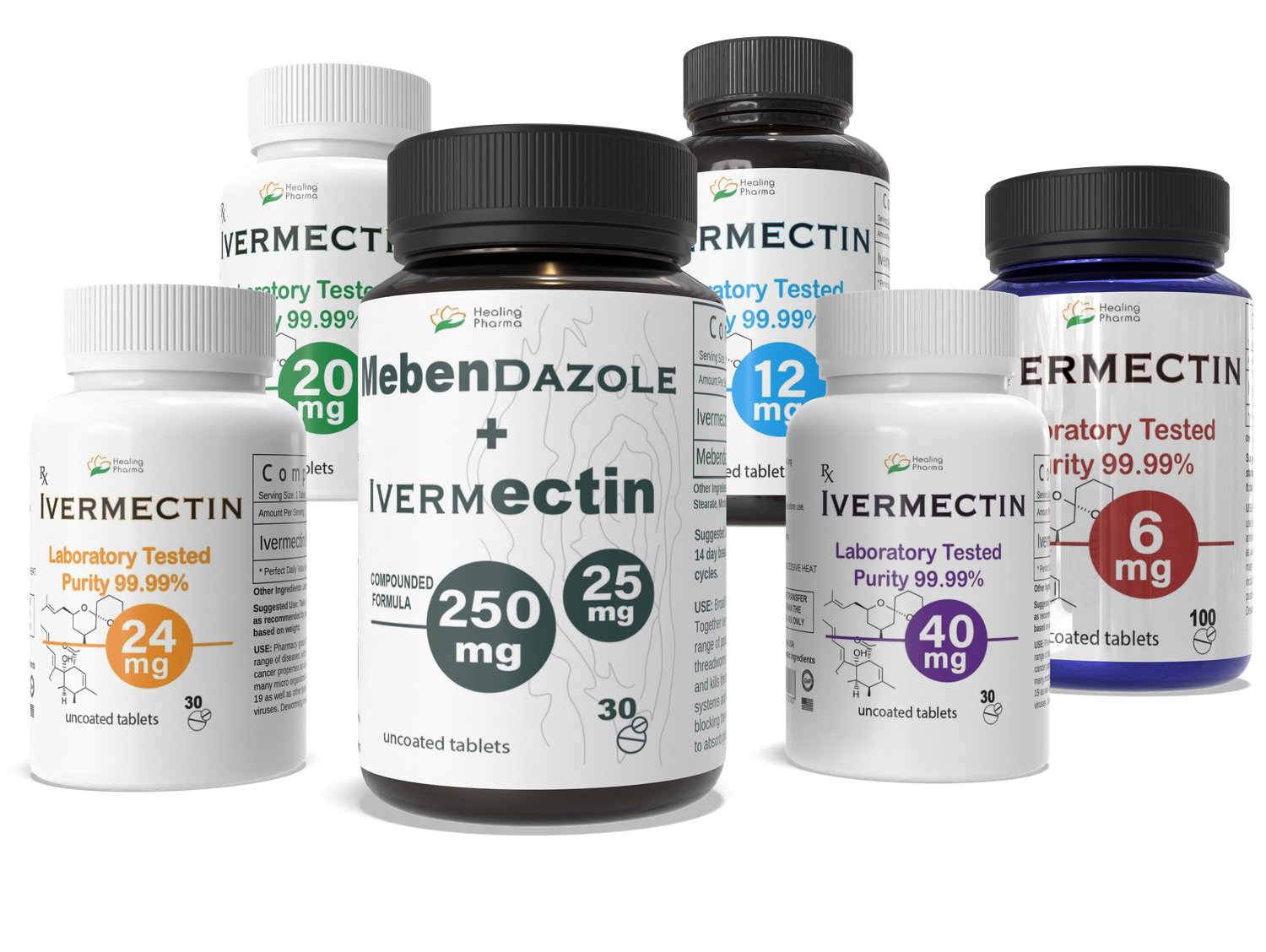
Ivermectin is another key component of the ISOM protocol, included for its ability to interfere with multiple cancer-related signaling pathways. Preclinical research has shown that it can inhibit PAK1 kinase activity, suppress WNT/β-catenin signaling, and induce immunogenic cell death. A 2020 review in Pharmacological Research documented these mechanisms across multiple cancer cell lines (PMC7505114).
A clinical trial at Cedars-Sinai Medical Center is currently investigating ivermectin in combination with immunotherapy in metastatic triple-negative breast cancer, marking an important step toward clinical validation.
Notably, a Phase I/II clinical trial (NCT05318469) at Cedars-Sinai Medical Center is currently evaluating ivermectin combined with immune checkpoint inhibitors in metastatic triple-negative breast cancer — the first structured human trial testing ivermectin as an immunotherapy adjunct.
DON (6-Diazo-5-Oxo-L-Norleucine)
The protocol also incorporates DON (6-Diazo-5-Oxo-L-Norleucine), a potent glutamine antagonist that targets one of cancer’s primary metabolic fuels. By inhibiting glutaminolysis, DON disrupts the biosynthetic processes that rapidly dividing cancer cells depend on, particularly within cancer stem cell populations. Due to its potency, it is used cautiously and under strict medical supervision.
Orthomolecular and Nutritional Support
In addition to repurposed drugs, the ISOM Protocol integrates orthomolecular medicine, emphasizing the use of vitamins, minerals, and natural compounds at therapeutic doses to support cellular health and immune function.
vitamin C
High-dose vitamin C plays a central role within this framework. At pharmacological concentrations, it acts as a pro-oxidant, generating hydrogen peroxide that selectively damages cancer cells while sparing normal tissue. Clinical studies have suggested that intravenous vitamin C may improve quality of life and reduce the side effects associated with chemotherapy.
A review in Cancer Medicine found that high-dose IV vitamin C improved quality of life and reduced chemotherapy side effects in cancer patients (PMC8633276).
Vitamin D3
Vitamin D3 is another critical component, given its role in immune regulation, cell differentiation, and apoptosis. Maintaining optimal blood levels has been associated with improved outcomes across multiple cancer types, making it a foundational element of the protocol.
Curcumin
Curcumin, derived from turmeric, contributes anti-inflammatory and anticancer effects through modulation of signaling pathways such as NF-κB and inhibition of angiogenesis. Its therapeutic potential is significantly enhanced when delivered in bioavailable formulations.
Zinc
Zinc supports immune function, DNA repair, and apoptosis, helping to maintain the cellular environment necessary for effective metabolic therapy.
Metabolic Therapy Components
The ISOM Protocol extends beyond pharmacology and supplementation to address the broader metabolic environment in which cancer develops.
Ketogenic diet
A ketogenic diet is often used to reduce blood glucose levels and induce nutritional ketosis, effectively limiting the primary fuel source for cancer cells while supporting mitochondrial efficiency in healthy tissue.
Intermittent fasting
Intermittent fasting further enhances this metabolic shift by reducing insulin and IGF-1 signaling while promoting autophagy, a cellular cleanup process that may help remove damaged components. Regular physical activity, including both resistance training and aerobic exercise, improves insulin sensitivity, reduces inflammation, and enhances immune surveillance.
Hyperbaric oxygen
Hyperbaric oxygen therapy is sometimes incorporated as an adjunctive treatment, increasing oxygen delivery to tissues and potentially creating oxidative stress in cancer cells adapted to low-oxygen environments.
Supplements Referenced in This Guide
Key compounds discussed in the ISOM framework — pharmaceutical-grade, lab-tested.
Protocol Stack (Quick Links)
Below are commonly referenced Supplements in this article. Links are provided for convenience — pharmaceutical-grade, lab-tested.
90 capsules — 99% purity, laboratory tested
Disclaimer: For convenience only. Consult a licensed professional.
Dosage Reference Table (General Framework)
Important: These ranges are for educational purposes only and require physician supervision.
Repurposed Drugs
| Agent | Dosage | Schedule |
|---|---|---|
| Ivermectin | 0.2–0.4 mg/kg | 2–3 times weekly |
| Fenbendazole | 222–444 mg | Daily or 5 on / 2 off |
| Mebendazole | Alternative | Same schedule |
| DON | Very low dose | Intermittent cycles |
Orthomolecular Support
| Supplement | Dosage | Notes |
|---|---|---|
| Vitamin C | 2–4 g oral | IV clinical use available |
| Vitamin D3 | 5,000–10,000 IU | Target blood levels |
| Curcumin | 360–600 mg | Enhanced absorption |
| Zinc | 25–50 mg | Balance with copper |
Why the ISOM Protocol Matters
The ISOM Protocol represents a significant shift in how cancer is understood and approached. Instead of focusing exclusively on genetic mutations, it addresses cancer at its metabolic core, targeting mitochondrial dysfunction, energy production pathways, and the persistence of cancer stem cells.
By combining multiple repurposed drugs with nutritional and lifestyle interventions, the protocol creates sustained metabolic pressure that cancer cells may struggle to adapt to. At the same time, it supports the resilience and function of healthy cells, offering a more systemic and integrative approach to cancer care.
Importantly, the ISOM framework is designed as a complementary strategy, intended to work alongside conventional treatments rather than replace them.
FAQ
What is the ISOM Protocol?
The ISOM Protocol is a metabolic cancer approach that uses repurposed drugs, nutrition, and lifestyle strategies to target cancer cell energy production and support mitochondrial function.
Is the ISOM Protocol approved for cancer treatment?
No, the ISOM Protocol is not FDA-approved and is considered an experimental or complementary approach.
What makes the ISOM Protocol different?
It focuses on cancer metabolism and mitochondrial dysfunction rather than primarily targeting genetic mutations.
Why are drugs like ivermectin and fenbendazole used?
They have shown potential anticancer effects in preclinical research by disrupting cancer cell metabolism and survival pathways.
Can this replace chemotherapy?
No, it is intended as a complementary strategy and should only be considered under medical supervision.
Scientific References
- Seyfried TN, Shelton LM. (2010). Cancer as a metabolic disease. Nutrition & Metabolism gov/20181022/
- Dogra N. et al. (2018). Fenbendazole and cancer cell death. Scientific Reports gov/30093705/
- Tang M. et al. (2020). Ivermectin as anticancer agent. Pharmacological Research pubmed./32971268/
- Shenoy N. et al. (2021). Vitamin C in cancer treatment. Cancer Medicine
- ClinicalTrials.gov – NCT05318469
- Seyfried TN, Shelton LM. (2010). Cancer as a metabolic disease. Nutrition & Metabolism, 7, 7. PMC3941741
- Dogra N, Kumar A, Mukhopadhyay T. (2018). Fenbendazole acts as a moderate microtubule destabilizing agent and causes cancer cell death. Scientific Reports (Nature), 8, 11926. PMC6103891
- Tang M, et al. (2020). Ivermectin, a potential anticancer drug derived from an antiparasitic drug.Pharmacological Research, 163, 105207. PMC7505114
- Shenoy N, et al. (2021). Ascorbic acid in cancer treatment: Let the phoenix fly. Cancer Medicine, 10(18), 6395. PMC8633276
- ClinicalTrials.gov. NCT05318469: Ivermectin + Immunotherapy in Metastatic TNBC.NCT05318469
Disclaimer: Links are informational and for convenience. This site does not provide medical advice and does not endorse any specific vendor. Always verify product quality, labeling, and consult a licensed professional for health decisions.
Supplements Referenced in This Guide
Key compounds discussed in the ISOM framework — pharmaceutical-grade, lab-tested.
Protocol Stack (Quick Links)
Below are commonly referenced Supplements in this article. Links are provided for convenience — pharmaceutical-grade, lab-tested.
90 capsules — 99% purity, laboratory tested
Disclaimer: For convenience only. Consult a licensed professional.
About the Author
Petra Simmons Ray is a researcher and content creator focused on metabolic health, integrative oncology, and human potential. Her work bridges scientific research with intuitive insight, offering grounded yet expansive perspectives on healing and transformation.
Stay radiant.
Medical Disclaimer
This article is for informational purposes only and does not constitute medical advice. The ISOM Protocol is not an approved cancer treatment. Always consult a qualified healthcare professional before starting any therapy.