Why Most Parasite Cleanses Fail: The Missing Half Doctors Rarely Explain (Worms vs Protozoa)
Most parasite cleanses fail because they target only one category of parasites—either helminths (worms) or protozoa—while ignoring the other. Since these organisms differ biologically and require different mechanisms to address, incomplete targeting often leads to recurring symptoms and temporary relief.
The Overlooked Problem in Parasite Protocols
Parasite cleansing has become increasingly popular among individuals seeking relief from chronic digestive issues, fatigue, and systemic inflammation. Yet despite widespread use, many people report a frustrating pattern—initial improvement followed by the return of symptoms.
This outcome is often attributed to reinfection or ineffective products. However, a deeper review of parasitology literature suggests a different explanation: most protocols fail to account for the biological diversity of parasites themselves.
As highlighted in research indexed through PubMed (NIH biomedical database), human parasitic infections involve fundamentally different organism classes, each requiring distinct approaches to treatment. This concept is also central in discussions such as ivermectin for humans: uses, dosage, and safety, where mechanism-specific targeting determines effectiveness.
Two Categories Most Protocols Oversimplify
Parasites affecting humans fall into two primary groups: helminths and protozoa. This classification is widely recognized in global health frameworks, including those outlined by the World Health Organization.
Helminths (Parasitic Worms)

Helminths are multicellular organisms such as roundworms, hookworms, and tapeworms. They typically reside in the gastrointestinal tract, where they interfere with nutrient absorption and contribute to inflammation.
Because they are larger and more visible, they are the primary focus of most treatments. This is reflected in protocols discussed in fenbendazole dosage guide: how much is too much, where dosing strategies are designed primarily for worm-targeting mechanisms.
Protozoa (Microscopic Parasites)

Protozoa are single-celled organisms capable of spreading beyond the gut into blood and tissues. Their systemic nature often leads to broader symptoms, including fatigue and immune dysregulation.
A review published in Clinical Microbiology Reviews highlights the complexity of protozoal infections and their ability to evade immune detection (Fletcher et al., 2012).
Read the study on PubMed Central
This systemic behavior is also explored in contexts such as ivermectin clinical trial article, where broader biological effects are investigated.
Why Symptoms Return: A Mechanism Problem, Not a Failure
The reason symptoms return after a cleanse is often rooted in incomplete targeting.
| Targeted | Missed | Outcome |
|---|---|---|
| Worms | Protozoa | Persistent systemic symptoms |
| Protozoa | Worms | Ongoing digestive issues |
| Partial approach | Full parasite ecosystem | Recurring cycles |
When one category is addressed while the other remains active, the biological burden persists. This explains why many individuals experience cycles of improvement followed by relapse.
This principle is also evident in comparative analyses such as fenbendazole vs mebendazole for cancer, where different mechanisms produce different outcomes.
Dual-Target Strategy: A More Complete Approach
Modern discussions increasingly focus on combining mechanisms to achieve broader coverage.
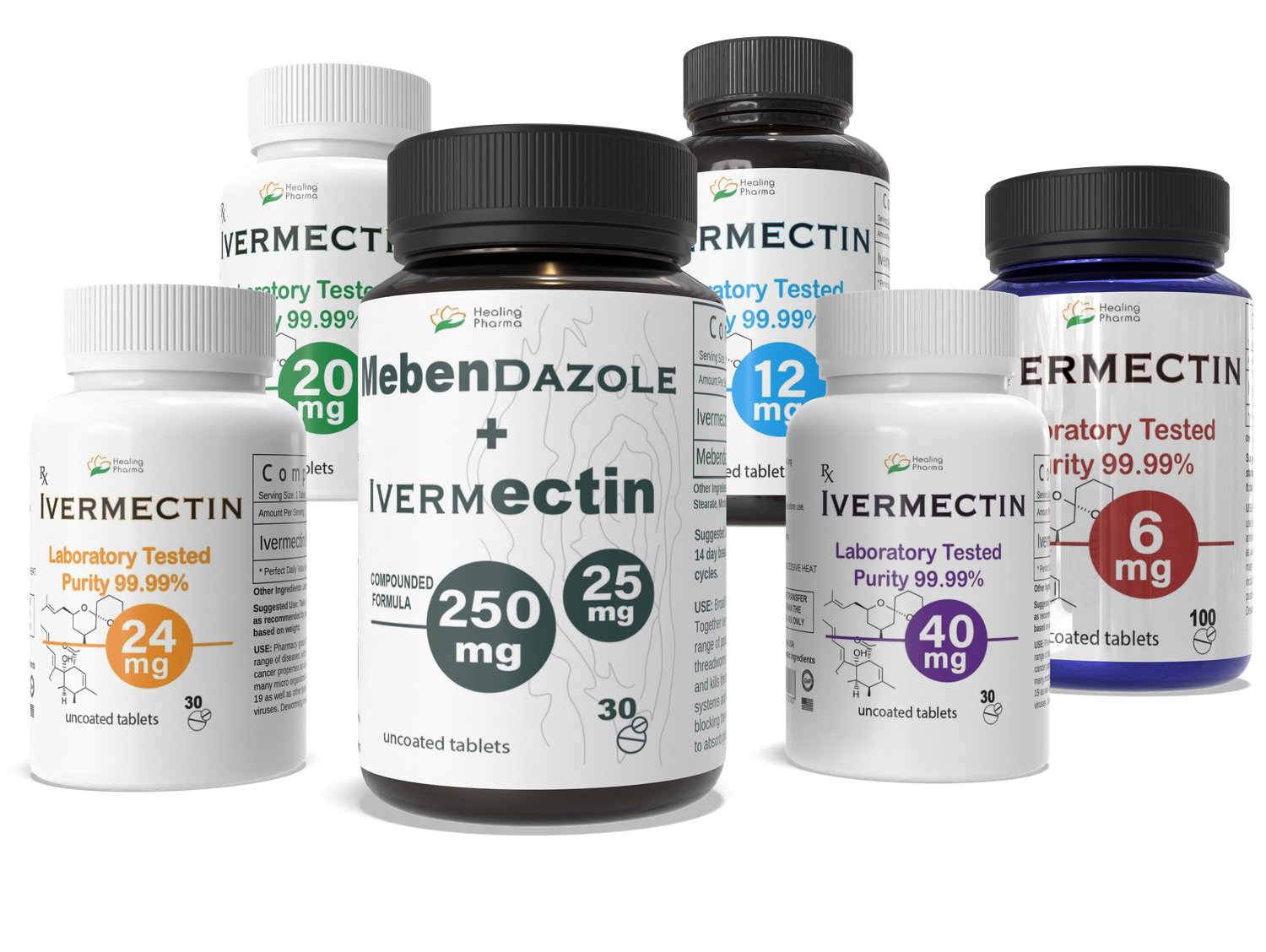
Agents such as Ivermectin and Mebendazole are often discussed together because of their complementary actions.
Ivermectin targets parasite nervous systems, while mebendazole disrupts cellular structure and glucose uptake in helminths. This distinction reflects a broader systems-based approach also explored in ivermectin vs mebendazole vs fenbendazole for cancer and frameworks like ISOM protocol explained.
Additionally, ivermectin’s global significance was recognized through the Nobel Prize in Physiology or Medicine, highlighting its role in parasitic disease treatment.
⚠️ Compliance Statement
This information is for educational purposes only and does not constitute medical advice. Any treatment or protocol involving medications should be discussed with a licensed healthcare professional.
Broader Research Context
Ongoing studies listed on ClinicalTrials.gov registry and research supported by the National Institutes of Health (NIH) continue to explore antiparasitic mechanisms and broader biological effects.
These findings also intersect with emerging discussions such as fenbendazole for cancer and Joe Tippens protocol explained, where multi-pathway approaches are emphasized.
Key Takeaway
Parasite cleansing is not a one-dimensional process. Scientific evidence supports the need for addressing two distinct categories:
- Helminths (worms)
- Protozoa (microscopic parasites)
Failure to address both may result in incomplete outcomes and recurring symptoms.
FAQ
Why do parasite cleanses fail?
Because most target only one type of parasite instead of both worms and protozoa.
What are the main parasite types in humans?
Helminths (worms) and protozoa (microscopic parasites).
Why do symptoms come back?
Because untreated parasite types may remain active.
Protocol Stack (Quick Links to buy)
Below are commonly referenced Supplements in this article. Links are provided for convenience — always review the label and consult a professional before use.
90 capsules — 99% purity, laboratory tested
Disclaimer: For convenience only. Consult a licensed professional.
🔬 SCIENTIFIC REFERENCES
Fletcher SM, et al. “Enteric Protozoa in the Developed World.” Clinical Microbiology Reviews, 2012.
https://www.ncbi.nlm.nih.gov/pmc/articles/PMC3346298/
Kotloff KL, et al. “Global Burden of Diarrheal Disease.” The Lancet, 2013.
https://pubmed.ncbi.nlm.nih.gov/23680352/
Crump JA, et al. “Protozoan Infections of the GI Tract.” Infectious Disease Clinics, 2010.
https://pubmed.ncbi.nlm.nih.gov/20171553/
Dayan AD. “Mebendazole Pharmacology Review.” Acta Tropica, 2003.
https://pubmed.ncbi.nlm.nih.gov/14511824/
Campbell WC. “Ivermectin and Antiparasitic Agents.” Springer, 1989.
https://link.springer.com/book/10.1007/978-1-4612-3626-9
ClinicalTrials.gov. “Antiparasitic Research Studies.”
https://clinicaltrials.gov
About the Author
Petra Simmons Ray is a spiritual healer, intuitive counselor, and wellness researcher with over 30 years of experience supporting clients worldwide. She integrates intuitive insight with emerging scientific perspectives.
Disclaimer
This article is for educational purposes only and does not constitute medical advice. Always consult a licensed healthcare professional before beginning any treatment.