Fenbendazole: Mechanism, Research & Safety Guide Protocol
Fenbendazole (FBZ) is a broad-spectrum benzimidazole anthelmintic drug used in veterinary medicine for over 40 years. Originally developed to treat parasitic worm infections in animals, it has attracted growing scientific attention due to its interactions with fundamental cellular mechanisms. This guide summarises peer-reviewed research — including studies from Yale University, NIH-indexed journals, and recent pharmacokinetic modelling — with the goal of presenting what is actually known, and what remains unresolved.
What Is Fenbendazole?
Fenbendazole is a benzimidazole anthelmintic approved for veterinary use since the 1970s. It is sold under brand names including Panacur and Safe-Guard, and is used to treat roundworms, hookworms, whipworms, and tapeworms in dogs, cats, cattle, and horses. It is not FDA-approved for human use.
The compound gained wider public attention following a 2019 viral account in which a cancer patient reported tumour regression after self-administering FBZ. This prompted researchers to re-examine the existing parasitology and pharmacology literature for any mechanistic basis for such effects. Learn more about Joe Tippens Protocol

Mechanism of Action at the Cellular Level
Fenbendazole works by binding to beta-tubulin — a structural protein that polymerises into microtubules, which are essential for cell division, intracellular transport, and maintaining cell structure. In parasites, binding affinity is estimated to be 25–400× higher than in mammalian cells, which accounts for the wide veterinary safety margin.
Beyond tubulin binding, preclinical research has identified two additional mechanisms studied in laboratory models:
-
Glucose inhibition: benzimidazoles reduce glucose uptake and deplete glycogen stores — a mechanism relevant to high-metabolic-demand cells, and one that overlaps with metabolic approaches explored in oncology research.
-
Proteasome pathway: a 2012 study published in Journal of Biological Chemistry found FBZ impairs the ubiquitin-proteasome system in non-small cell lung cancer (NSCLC) cells, leading to cytotoxic protein accumulation — a mechanism independent of tubulin binding.
Whether these mechanisms operate at clinically achievable concentrations in humans remains an open question and is not established by current evidence.
Key Preclinical Research: What Peer-Reviewed Studies Found
The following studies are peer-reviewed and indexed on PubMed. Preclinical data does not automatically translate to human outcomes, and no large-scale randomised controlled trials exist for fenbendazole in humans as of 2026.
Yale University — Duan, Liu & Rockwell (2013), Anticancer Research, Vol. 33 | PMC3580766: Researchers evaluated FBZ in EMT6 mouse mammary tumour cells. In vitro, 24-hour exposure induced G2/M cell cycle arrest and apoptosis. However, in the in vivo arm, FBZ failed to reduce tumour growth compared to controls. The authors noted that low oral bioavailability may explain the discrepancy — making this study both frequently cited and frequently misrepresented.
Dogra & Mukhopadhyay — J. Biol. Chem. (2012), PMID 22745125: First report demonstrating FBZ impairs the ubiquitin-proteasome pathway in NSCLC cells, triggering accumulation of misfolded proteins and cell death — establishing a tubulin-independent mechanism.
Gao, Dang & Watson — Cancer Research (2008), PMID 18251417: Observed unexpected inhibition of human lymphoma xenograft growth when a diet supplemented with FBZ was combined with vitamin E succinate. Notably, this finding emerged from contamination-control research — FBZ was not the original subject of investigation. The interaction with vitamin E succinate appeared central to the observed effect.
Nguyen et al. — Transl. Lung Cancer Res. (2025), PMID 40799435: A 2025 study showing synergistic anti-tumour effects of FBZ combined with dichloroacetate (DCA) in A549 lung cancer mouse models. The combination produced greater tumour growth inhibition than either agent alone. All results remain animal-model only.

Ivermectin in Protocol Discussions
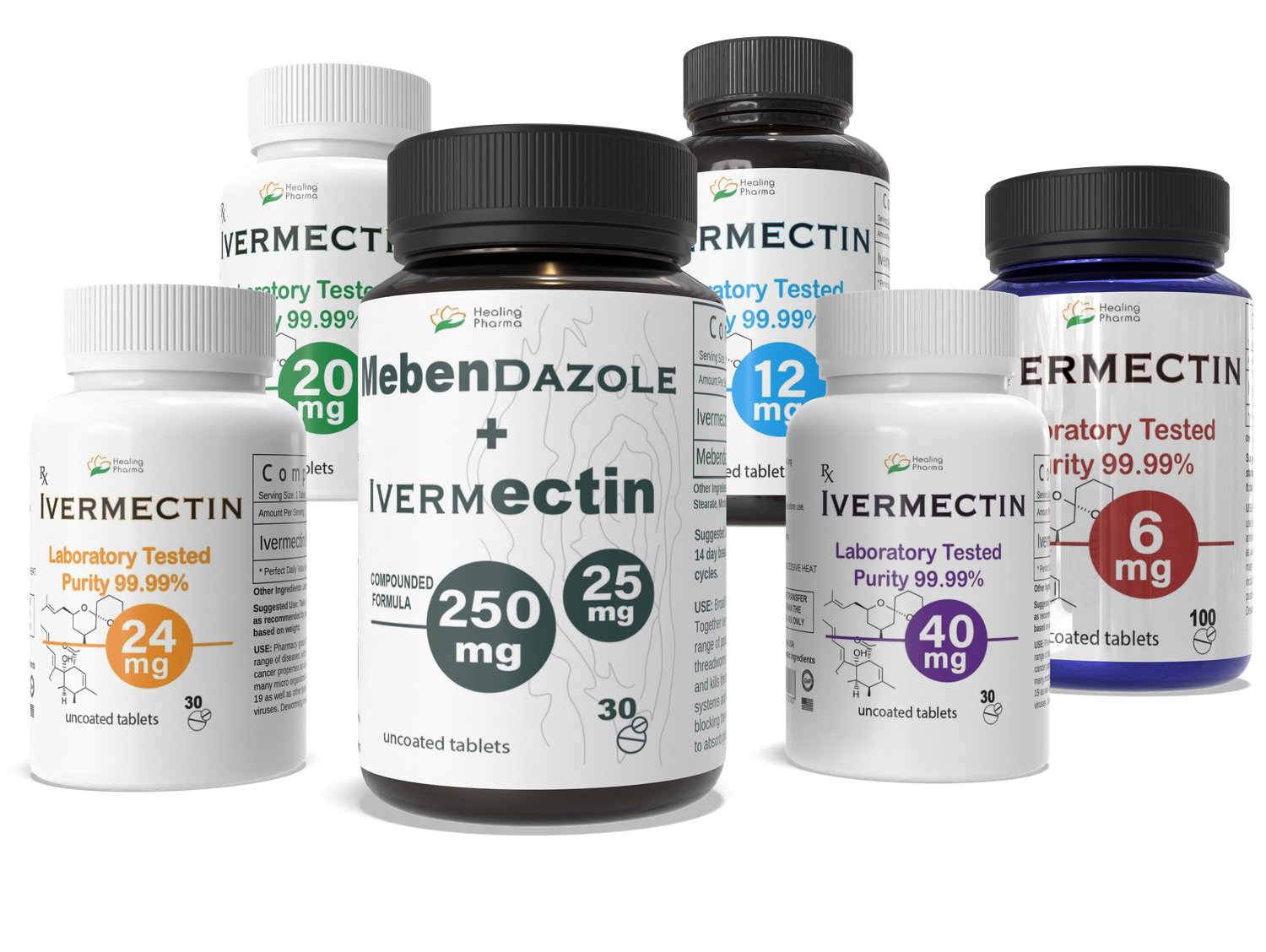
Ivermectin is frequently referenced in broader repurposed drug frameworks such as:
👉 Learn more:
Fenbendazole Joe Tippens Protocol: Step-by-Step Guide
ISOM Protocol Explained: Metabolic Cancer Strategy
These approaches reflect a growing interest in combining metabolic, structural, and immune-targeting strategies.
Reported Risks: Liver Toxicity & Drug Interactions
Published case reports have linked FBZ self-administration in humans to drug-induced liver injury (DILI) — a serious adverse event requiring medical attention.
The most detailed published report (Yamaguchi et al., 2021, Case Reports in Oncology, PMID 34248555) describes an 80-year-old NSCLC patient receiving pembrolizumab who developed severe hepatotoxicity after self-administering FBZ. Liver enzymes rose to over 10× the upper limit of normal. Because both a checkpoint inhibitor and FBZ were being used simultaneously, establishing causality was complex — however, the treating physicians attributed the event primarily to drug interaction.
Key risk considerations from the published literature: liver function monitoring (ALT, AST) is strongly advisable for anyone self-administering this compound; concurrent use with immunotherapy checkpoint inhibitors carries heightened risk; and individual pharmacogenomic variation may significantly influence hepatic response.
Bioavailability: How the Body Absorbs Fenbendazole
Low oral bioavailability is a key pharmacological characteristic of FBZ. The Yale 2013 study specifically noted that poor absorption may explain why in vitro cytotoxic effects did not translate to in vivo efficacy. A 2026 pharmacokinetic modelling study (Assmus et al., PMID 41662151) further refined the absorption parameters using population-level modelling.
FBZ is highly lipophilic (LogP ~3.6), meaning it dissolves preferentially in dietary fat rather than water. Oral bioavailability is estimated at approximately 20% without dietary fat, and increases roughly 2–3× when taken with a fat-containing meal. This pharmacokinetic profile is why different formulations — micronised powder, oil-based capsules — may behave differently in terms of absorption kinetics.
Fenbendazole vs. Mebendazole: Key Differences
These two drugs are structurally related benzimidazoles sharing the same beta-tubulin binding mechanism. The key difference is regulatory: mebendazole has an approved human-use pathway for certain parasite indications in the EU and US, while fenbendazole does not. Human bioavailability is similar for both (~20–30%), and both have been explored in preclinical cancer repurposing research. Mebendazole currently has Phase I/II clinical trials ongoing in oncology contexts; fenbendazole has none.
Bottom Line
Fenbendazole is a well-characterised veterinary antiparasitic with a clearly understood primary mechanism — beta-tubulin binding. Preclinical research has identified additional cellular interactions in laboratory models, but these findings have not been validated in human clinical trials. The one in vivo mouse study from Yale found no tumour growth inhibition. Published case reports document serious liver injury risk in humans who self-administered FBZ, particularly in combination with immunotherapy.
For anyone researching this compound: the science is more nuanced — and more cautionary — than much of the online discussion suggests. Formulation, bioavailability, and interaction risks are all material considerations that deserve careful evaluation with a qualified clinician.
For a comparison with other antiparasitics, see: Fenbendazole vs. Ivermectin.
References & Sources
Duan S, Liu F, Rockwell S. (2013). Fenbendazole as a potential anticancer drug. Anticancer Res. PMC3580766
Dogra N, Mukhopadhyay T. (2012). Impairment of the ubiquitin-proteasome pathway by FBZ. J Biol Chem. PMID 22745125
Gao P, Dang CV, Watson J. (2008). Unexpected antitumorigenic effect of FBZ diet in athymic nude mice. Cancer Res.PMID 18251417
Nguyen AT et al. (2025). Synergistic anti-tumour activity of FBZ + DCA in lung cancer. Transl Lung Cancer Res. PMID 40799435
Yamaguchi M et al. (2021). Drug-induced liver injury caused by FBZ. Case Rep Oncol. PMID 34248555
Assmus et al. (2026). Pharmacokinetic modelling of FBZ. CPT Pharmacometrics. PMID 41662151
Protocol Stack (Quick Links to buy)
Below are commonly referenced Supplements in this article. Links are provided for convenience — always review the label and consult a professional before use.
90 capsules — 99% purity, laboratory tested
Disclaimer: For convenience only. Consult a licensed professional.
444 mg per capsule · Independent purity testing · Certificate of Analysis available

About the Author
Petra Simmons Ray is a content creator focused on health research, integrative wellness, and emerging scientific insights. Her work explores drug repurposing, metabolic approaches, and evidence-based perspectives on complex conditions. She is dedicated to translating scientific research into clear, accessible, and responsible content for readers seeking deeper understanding.
Disclaimer: Links are informational and for convenience. This site does not provide medical advice and does not endorse any specific vendor. Always verify product quality, labeling, and consult a licensed professional for health decisions.