Demodex Mites in Humans: Clinical Evidence, Rosacea & Ivermectin Research
Demodex mites are microscopic organisms naturally present on human skin, typically living within hair follicles and sebaceous glands. While usually harmless, research shows that higher densities of Demodex may be associated with inflammatory skin conditions such as rosacea. Clinical trials demonstrate that topical ivermectin 1% cream can significantly reduce inflammatory lesions, supporting its role in managing Demodex-associated skin symptoms.
Demodex mites are a natural part of the skin microbiome, but in certain conditions, they may contribute to inflammation, redness, and breakouts. Dermatology research has identified a strong association between increased Demodex density and Rosacea. Clinical trials involving Ivermectin 1% cream show significant reductions in inflammatory lesions through both antiparasitic and anti-inflammatory mechanisms. For a broader understanding of how ivermectin functions across different conditions, see our Ivermectin for Humans: Uses, Dosage & Safety Guide, which explains its pharmacological profile in more detail.
The Problem May Not Be Just Surface-Level
Persistent redness, irritation, and recurring breakouts are often approached as surface-level concerns. However, modern dermatology increasingly recognizes that these symptoms may originate deeper within the skin’s microenvironment.
Microscopic organisms known as Demodex mites live within pores and sebaceous glands and are present in most adults. In normal amounts, they are harmless. However, research suggests that increased densities may be associated with inflammatory skin conditions, particularly Rosacea.
This shift toward understanding underlying contributors rather than just surface symptoms reflects a broader trend seen across dermatology and even in other areas of compound research, which we explore further in our Natural Compounds in Inflammation and Skin Health resource section.

Demodex mites are microscopic organisms that reside primarily in hair follicles and sebaceous glands. The two main species—Demodex folliculorum and Demodex brevis—feed on sebum and dead skin cells and form part of the normal skin ecosystem.
Their presence alone is not problematic. However, when their numbers increase significantly, they may contribute to inflammatory processes within the skin.
Are Demodex Mites Harmful?
In most individuals, Demodex mites exist in a balanced relationship with the skin. They are not considered harmful under normal conditions.
However, clinical observations show that individuals with rosacea tend to have higher mite densities. This suggests that Demodex may act as a contributing factor, rather than a direct cause.
This type of multifactorial understanding—where multiple biological elements interact—is also seen in broader research comparisons, such as those discussed in Ivermectin vs Mebendazole vs Fenbendazole: Key Differences and Research Comparison, where different mechanisms of action are evaluated across compounds.
Demodex and Rosacea: Clinical Association
Rosacea is a chronic inflammatory condition characterized by facial redness, visible blood vessels, and inflammatory lesions.
A review published in the Journal of Clinical and Aesthetic Dermatology highlights that increased Demodex density is consistently observed in rosacea patients, supporting its role as a contributing factor.
Additional studies indexed on PubMed reinforce the association between mite density and symptom severity.
🧪 Clinical Evidence: Ivermectin 1% Cream
Topical Ivermectin 1% cream is one of the most extensively studied treatments for Demodex-associated rosacea.
Phase III Clinical Trials
Large randomized controlled trials involving more than 1,300 patients demonstrated:
- 38–40% achieved clear or almost clear skin
- Significant reduction in inflammatory lesions
- Improvements observed as early as week 4
These findings are documented in PubMed Central.
Clinical Outcomes (12–16 Weeks)
Across multiple clinical studies:
- 75–83% reduction in inflammatory lesions
- Improved skin clarity and reduced redness
- High patient satisfaction rates
These outcomes are supported by clinical reviews such as those published by the American Academy of Family Physicians.
Mechanism of Action: How Ivermectin Works Beyond the Surface
One of the reasons topical Ivermectin stands out is its ability to act through multiple biological pathways simultaneously. As discussed in more detail in our Ivermectin for Humans: Uses, Dosage & Safety Guide, this compound is known for its broad pharmacological activity beyond a single targeted effect.
From a pharmacological perspective, ivermectin binds to glutamate-gated chloride channels in invertebrates such as Demodex mites. This increases membrane permeability, leading to paralysis and elimination of the mites. A systematic review available on PubMed Central documents significant reductions in mite density within 6–12 weeks of consistent topical use.
At the same time, ivermectin demonstrates direct anti-inflammatory properties. It modulates inflammatory signaling pathways, reduces cytokine activity, and helps calm immune responses in the skin. These mechanisms are described in dermatology-focused research available on PubMed Central, showing that ivermectin’s benefits extend beyond antiparasitic action.
This dual mechanism aligns with the modern understanding of rosacea as a multifactorial condition. Similar multi-pathway approaches are also explored in broader compound discussions, including our Natural Compounds in Inflammation and Skin Health section, where inflammation, microbiome balance, and immune response are considered together.
Emerging research further suggests that ivermectin may influence the skin microbiome by altering bacterial populations associated with Demodex mites. Insights from the National Rosacea Society highlight that improvements may involve broader shifts in microbial and inflammatory balance.
Clinical Study Summary Table
| Study Type | Participants | Duration | Key Outcome | Source |
|---|---|---|---|---|
| Phase III RCT | 1,371 patients | 12 weeks | 38–40% clear/almost clear | PubMed Central |
| Clinical Reviews | Multiple | 12–16 weeks | 75–83% lesion reduction | AAFP |
| Meta-analysis | Multiple | 12+ weeks | Significant Demodex reduction | PubMed Central |
| Mechanism Studies | Lab + clinical | Ongoing | Dual-action confirmed | PubMed Central |
| Microbiome Research | Emerging | Ongoing | Improved balance | Rosacea.org |
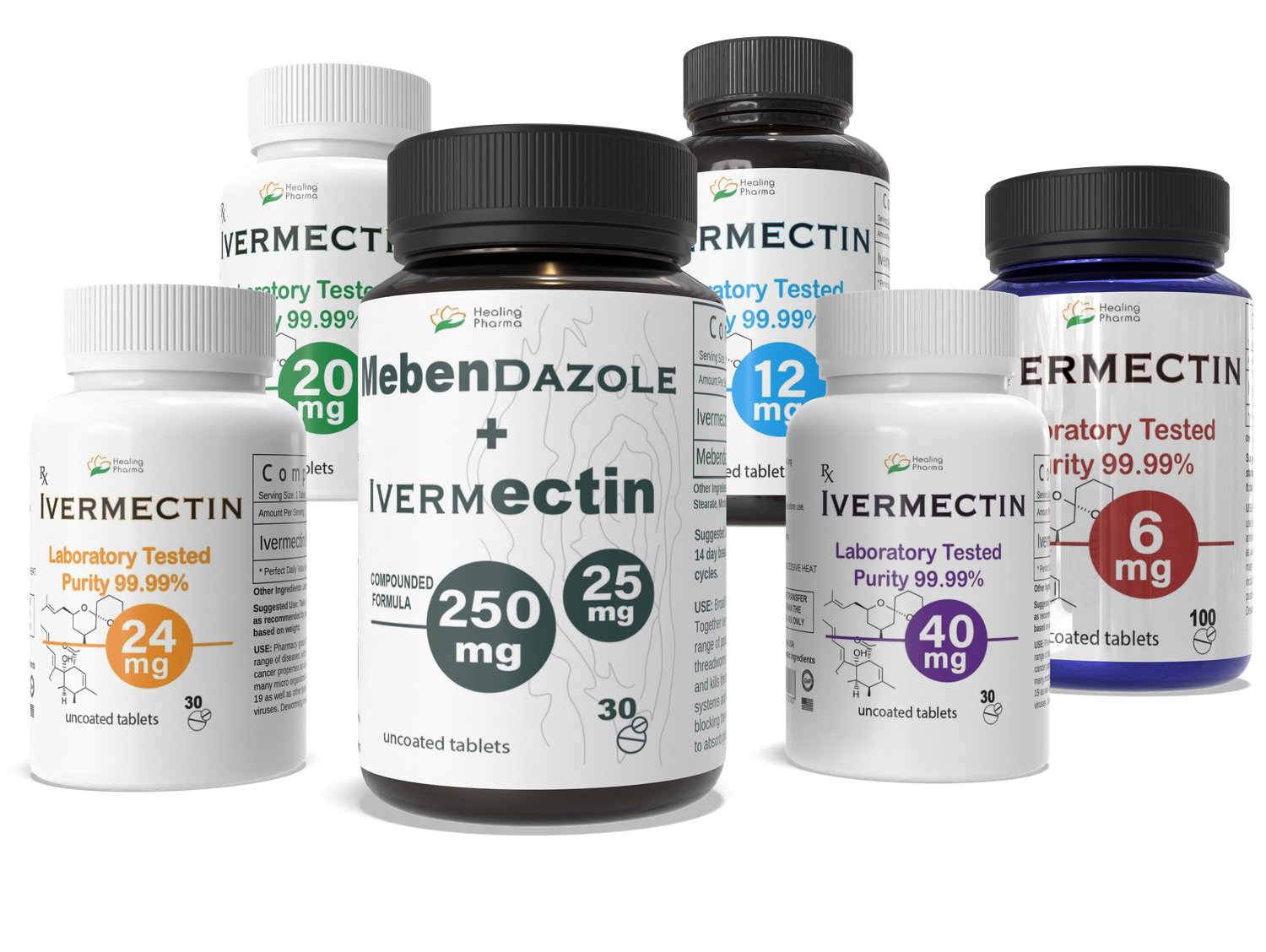
Protocol Stack (Quick Links to buy)
Below are commonly referenced Supplements in this article. Links are provided for convenience — always review the label and consult a professional before use.
90 capsules — 99% purity, laboratory tested
Disclaimer: For convenience only. Consult a licensed professional.
Long-Term Outcomes and Relapse
Rosacea is a chronic condition, and long-term studies show that ivermectin may provide longer remission periods compared to standard therapies. However, symptoms may gradually return after discontinuation, highlighting the need for maintenance strategies.
Safety Profile
Clinical trials consistently report a low incidence of side effects, typically mild and temporary, including slight irritation or dryness. Discontinuation rates remain very low, supporting its overall tolerability.
Common Misconceptions
Demodex mites are often misunderstood. They are not rare parasites or inherently harmful organisms. Instead, they are a natural part of human skin, becoming clinically relevant only under specific conditions.
FAQ
Do all humans have Demodex mites?
Yes, they are present in most adults as part of the normal skin microbiome.
Can Demodex mites cause rosacea?
They may contribute to inflammation but are not the sole cause.
How effective is ivermectin cream?
Clinical studies show significant reduction in inflammatory lesions within 12–16 weeks.
About the Author
Petra Simmons Ray is a spiritual healer, medical intuitive, and researcher dedicated to creating structured, transparent, research-based educational content through her Knowledge Hub.
Disclaimer
This content is for educational and research purposes only and is not intended as medical advice. Always consult a licensed healthcare provider.