Fenbendazole's Uses in Veterinary Medicine: A Complete Guide
Fenbendazole is one of the most widely used antiparasitic medications in veterinary medicine. For decades, veterinarians have relied on this broad-spectrum dewormer to treat and prevent a variety of internal parasites in animals ranging from household pets to livestock. Known for its effectiveness and relatively low toxicity, fenbendazole has become an essential tool in maintaining animal health across the world.
This article provides a comprehensive overview of fenbendazole’s veterinary applications, mechanism of action, approved uses across species, dosing guidelines, safety data, and its connection to emerging research in other fields.
What Is Fenbendazole?
Fenbendazole is a broad-spectrum anthelmintic (deworming medication) that belongs to the benzimidazole class of antiparasitic drugs. It is commonly used in veterinary medicine to eliminate gastrointestinal parasites in animals.
Fenbendazole works by disrupting the parasite’s cellular structure, specifically by binding to tubulin proteins that are necessary for the formation of microtubules. Without functioning microtubules, parasites cannot absorb nutrients and eventually die.
Importantly, fenbendazole binds much more strongly to parasite β-tubulin than to mammalian β-tubulin, which accounts for its wide safety margin in host animals. This selectivity is a key advantage of benzimidazole anthelmintics over other antiparasitic drug classes.
Because of this mechanism, fenbendazole is effective against a wide variety of intestinal worms while remaining relatively safe for mammals.
Chemically, fenbendazole is closely related to mebendazole (an FDA-approved human antiparasitic) and albendazole. All three share the benzimidazole core structure and work through the same primary mechanism of action.
What Parasites Does Fenbendazole Treat?
Fenbendazole has broad-spectrum activity against a wide range of gastrointestinal parasites. Its effectiveness varies by species and parasite type, but it is commonly used to treat:
| Parasite Type | Examples | Host Species |
|---|---|---|
| Roundworms (Nematodes) | Toxocara, Toxascaris, Ascaris | Dogs, cats, horses, cattle, poultry |
| Hookworms | Ancylostoma, Uncinaria | Dogs, cats |
| Whipworms | Trichuris vulpis | Dogs |
| Certain Tapeworms | Taenia (some species) | Dogs, cats (species-dependent) |
| Lungworms | Oslerus osleri, Crenosoma | Dogs |
| Giardia | Giardia duodenalis | Dogs, cats (off-label) |
| Strongyles | Large and small strongyles | Horses |
| Ascarids | Parascaris equorum | Horses |
A comprehensive review of benzimidazole anthelmintics published in Veterinary Parasitology documented fenbendazole’s efficacy across these parasite groups, with cure rates exceeding 95% in most studies when administered at recommended doses (PubMed 15710531).
Roundworm infections can cause digestive issues, weight loss, and poor growth in animals if left untreated.
Hookworms
Hookworms attach to the intestinal lining and feed on blood. Fenbendazole helps eliminate hookworms such as:
-
Ancylostoma caninum in dogs
-
Ancylostoma tubaeforme in cats
These parasites can lead to anemia, weakness, and gastrointestinal distress.
Whipworms
Whipworms are another intestinal parasite commonly found in dogs. They inhabit the large intestine and can cause chronic diarrhea and inflammation. Fenbendazole is considered one of the most effective treatments for whipworm infections.
Certain Tapeworms
Fenbendazole is effective against some species of tapeworms, particularly Taenia species, although other medications are sometimes preferred for tapeworm treatment.
Lungworms
In certain veterinary protocols, fenbendazole is used to treat lungworm infections, which affect the respiratory system of animals.
Protozoal Parasites
Fenbendazole is also commonly used off-label to treat infections caused by Giardia, a microscopic parasite that causes diarrhea in dogs, cats, and other animals.
Which Animals Is Fenbendazole Used For?
Dogs and Cats
Fenbendazole is one of the most commonly prescribed dewormers for companion animals. In dogs, it is typically administered at 50 mg/kg daily for 3–5 consecutive days for gastrointestinal nematodes. It is also used off-label for Giardia treatment, often at the same dose for 5–7 days. In cats, dosing protocols are similar, though veterinary guidance is particularly important for young kittens.
For information about fenbendazole’s proven effectiveness in dogs, including roundworm and hookworm efficacy data, see our article: Fenbendazole for Dogs: Proven 95% Effective Against Roundworms and Hookworms.
Fenbendazole Use in Dogs
Dogs are among the most common recipients of fenbendazole treatment. Veterinarians often prescribe fenbendazole to treat intestinal parasites such as roundworms, hookworms, whipworms, and certain tapeworms.
Fenbendazole is frequently sold under veterinary brand names such as Panacur and Safe‑Guard.
Common Uses in Dogs
Fenbendazole is commonly used for:
-
Routine deworming
-
Treatment of whipworms
-
Treatment of Giardia infections
-
Deworming puppies
-
Preventive parasite management in kennels
Many veterinarians recommend fenbendazole as part of routine parasite control programs for puppies and adult dogs.
Fenbendazole Use in Cats
Fenbendazole is also used in cats, although it is slightly less common compared to dogs. Veterinarians may prescribe it to treat:
-
Roundworms
-
Hookworms
-
Certain tapeworms
-
Giardia infections
Cats generally tolerate fenbendazole well, although dosing must be carefully adjusted according to weight.
Fenbendazole Use in Horses
Fenbendazole is widely used in equine medicine to treat parasites that affect the digestive system of horses.
Common parasites treated in horses include:
-
Large strongyles
-
Small strongyles
-
Pinworms
-
Ascarids (especially in foals)
Equine deworming programs often rotate between different antiparasitic medications to reduce parasite resistance, and fenbendazole is frequently included in these programs.
Fenbendazole is used to control strongyles (both large and small), ascarids, and pinworms. The standard dose for horses is 5–10 mg/kg, with higher doses (50 mg/kg for 5 days) sometimes used for encysted small strongyle larvae. Fenbendazole paste (e.g., Panacur PowerPac) is the most common formulation for equine deworming.
Fenbendazole Use in Livestock
Fenbendazole is extensively used in livestock management to maintain herd health and prevent economic losses caused by parasite infestations.
Animals commonly treated include:
-
Cattle
-
Sheep
-
Goats
-
Swine
In livestock, fenbendazole helps control gastrointestinal worms that can reduce feed efficiency, stunt growth, and decrease milk or meat production.
Regular parasite management programs often include fenbendazole as part of strategic deworming schedules.
Fenbendazole in Exotic and Zoo Animals
Veterinary specialists also use fenbendazole in exotic species, including:
-
Birds
-
Reptiles
-
Rabbits
-
Zoo animals
Its broad safety margin makes it useful for treating parasites in species where fewer medications are available. However, dosing protocols must be carefully adjusted for each species.
Safety and Veterinary Oversight
One of the reasons fenbendazole is widely used is its strong safety profile.
Fenbendazole is known for its exceptionally wide safety margin. Toxicology studies in dogs have shown that doses up to 100 times the recommended therapeutic dose are tolerated without serious adverse effects. This safety profile is one of the primary reasons it has remained a first-line dewormer for decades.
Common observations during treatment include:
- Mild, transient gastrointestinal upset (particularly if parasite burden is heavy)
- Temporary appetite changes
- Loose stools during the initial treatment period
Serious adverse reactions are rare and typically associated with massive parasite die-off (Jarisch-Herxheimer-like reaction) rather than direct drug toxicity. A 2018 safety review in Scientific Reports confirmed fenbendazole’s low toxicity in mammalian systems, noting its selective binding to parasite tubulin over mammalian tubulin (PMC6103891).
Veterinarians typically determine the correct dosage based on the animal’s weight, species, and parasite type.
Forms and Administration
Fenbendazole is available in several veterinary formulations, including:
-
Oral granules
-
Tablets
-
Liquid suspensions
-
Paste (commonly used for horses)
The medication is usually given orally and is often mixed with food to make administration easier.
Treatment protocols may vary depending on the parasite being treated. Some infections require a single dose, while others require treatment over several consecutive days.
Fenbendazole from Healing Pharma Wellness
Pharmaceutical-grade fenbendazole discussed in this article — lab-tested at 99% purity.
All products are registered with FDA.
90 capsules — 99% purity, laboratory tested
Disclaimer: For convenience only. Consult a licensed professional.
Why Veterinarians Choose Fenbendazole
- Broad-spectrum efficacy: Effective against roundworms, hookworms, whipworms, certain tapeworms, lungworms, and Giardia.
- Wide safety margin: One of the safest anthelmintics available, suitable for pregnant and lactating animals in many protocols.
- Multiple formulations: Available as granules, suspension, tablets, and paste — adaptable to different species and administration needs.
- No withdrawal period: Many formulations have zero or minimal milk/meat withdrawal times, practical for food-producing animals.
- Decades of clinical experience: Over 40 years of global use with well-characterized pharmacokinetics and safety data.
Beyond Veterinary Medicine: Emerging Research
While fenbendazole is established as a veterinary antiparasitic, it has attracted significant research interest beyond its original applications. Preclinical studies have identified potential anti-tumor mechanisms, including microtubule disruption, p53 stabilization, and glucose uptake inhibition in cancer cell lines (PMC6103891).
This research has led to widespread public interest in fenbendazole as a repurposed drug. The most well-known example is the Joe Tippens Protocol, which describes a supplement routine incorporating fenbendazole that gained attention in online health communities. More structured approaches, such as the ISOM Protocol, have since been developed by clinicians and researchers.
For more on how fenbendazole compares to other antiparasitics being studied in oncology, see: Fenbendazole vs. Ivermectin. For dosing considerations in the context of human interest, see: How Much Fenbendazole Is Too Much? A Safety-Focused Dosage Guide.
Disclaimer: This article is for educational and informational purposes only. Fenbendazole is a veterinary product. Any use beyond its approved indications should be discussed with a qualified healthcare or veterinary professional.
Scientific References
- Lacey E. (1990). Mode of action of benzimidazoles. Parasitology Today, 6(4), 112–115. PubMed 15463312
- McKellar QA, Scott EW. (1990). The benzimidazole anthelmintic agents — a review. Journal of Veterinary Pharmacology and Therapeutics, 13(3), 223–247. PubMed 15710531
- Dogra N, Kumar A, Mukhopadhyay T. (2018). Fenbendazole acts as a moderate microtubule destabilizing agent and causes cancer cell death. Scientific Reports (Nature), 8, 11926. PMC6103891
- Son DS, et al. (2020). The antitumor potentials of benzimidazole anthelmintics as repurposing drugs. Immune Network, 20(4), e29. PMC7458798
Conclusion
Fenbendazole remains one of the most trusted and widely used antiparasitic medications in veterinary medicine. Its ability to target multiple types of internal parasites, combined with a strong safety record, has made it a cornerstone treatment for pets, livestock, horses, and exotic animals.
From routine deworming programs to targeted treatment of intestinal infections, fenbendazole plays a vital role in protecting animal health and supporting effective parasite control strategies in modern veterinary care.

Nobel Prize Winning Parasite Cleanse Medication
✔ Cleanse & Detox From Parasites
✔ Convenient 6-Month Supply
✔ FDA-Approved Medication
✔ Doctor-Prescribed
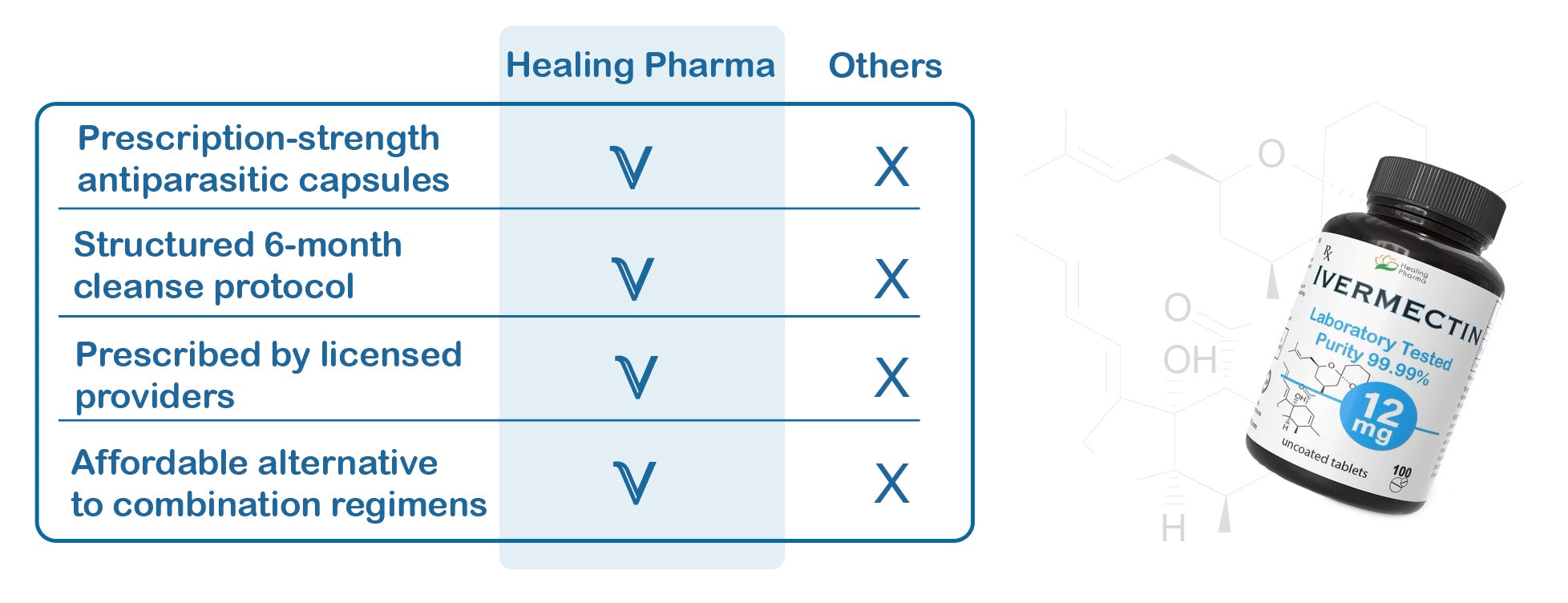
Ivermectin is a Nobel Prize–winning antiparasitic used worldwide for over 30 years. It works by paralyzing and eliminating parasites through disruption of their nervous systems—helping the body clear a wide range of parasitic infections safely and effectively.
Collapsible content
ABOUT IVERMECTIN
- Proven Antiparasitic Therapy — Prescribed globally for over 30 years and awarded the Nobel Prize in Medicine, Ivermectin eliminates a wide spectrum of parasites that impact health and wellbeing.
- Convenient 6-Month Supply — Each order includes 84 capsules (18mg each), designed for four 21-day cleanse cycles with 14-day breaks in between. This structure supports effective parasite management with only two fills per year.
- Affordable & Trusted — A streamlined regimen at a lower price point than combination therapies, while maintaining a strong safety profile and decades of clinical use.
HOW TO TAKE
- For oral use only.
- Take one tablet daily during each 21-day cleanse cycle, followed by a 14-day break.
- Use exactly as prescribed by your provider.
HOW TO ORDER
Ordering is as easy as 1-2-3
Must be 18 years or older to order.
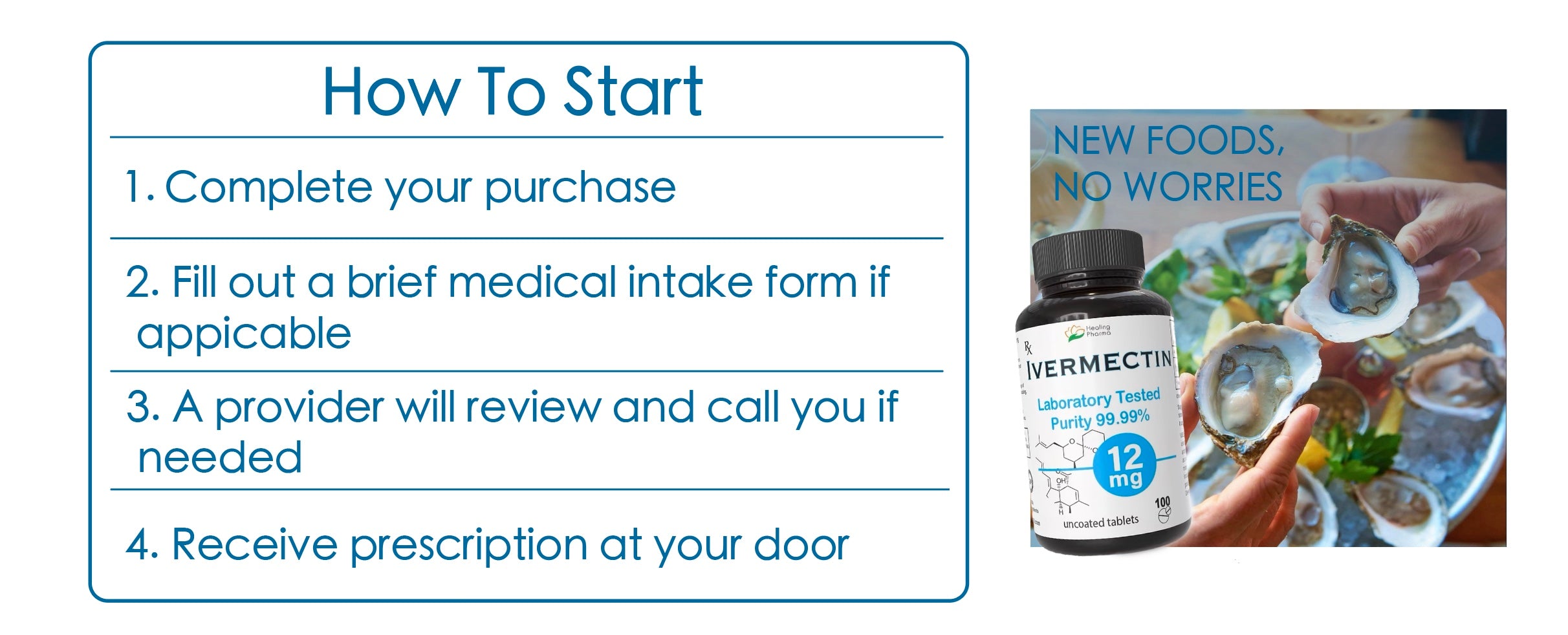
- MAKE YOUR PURCHASE
Click “Add to Cart” and complete the checkout process. - FILL OUT INTAKE FORM
Follow the post-checkout, emailed instructions to answer a few short questions and complete your order if applicable A licensed medical provider will review your order, and if approved, prescribe your medications and release your product for shipping. - PRODUCT DELIVERED
Receive your product within 3-7 days.
DOCTOR PRESCRIBED
- Prescribed through our 50-state telemedicine network and dispensed through a licensed U.S. pharmacy.
- We are legit-script certified to prescribe medications.
- You must be 18 or older to purchase.
POTENTIAL SIDE EFFECTS
Ivermectin is generally well-tolerated. Mild side effects may include dizziness, nausea, or diarrhea. Rarely, allergic reactions or neurological symptoms can occur. Consult your provider immediately if severe reactions develop. Avoid use during pregnancy or breastfeeding unless directed by a physician.
Science-Backed Ingredients
Ivermectin (12mg)
A Nobel Prize–winning antiparasitic agent, widely used for decades to combat a variety of parasitic infections. Supports cleansing by disrupting parasite survival and reproduction.
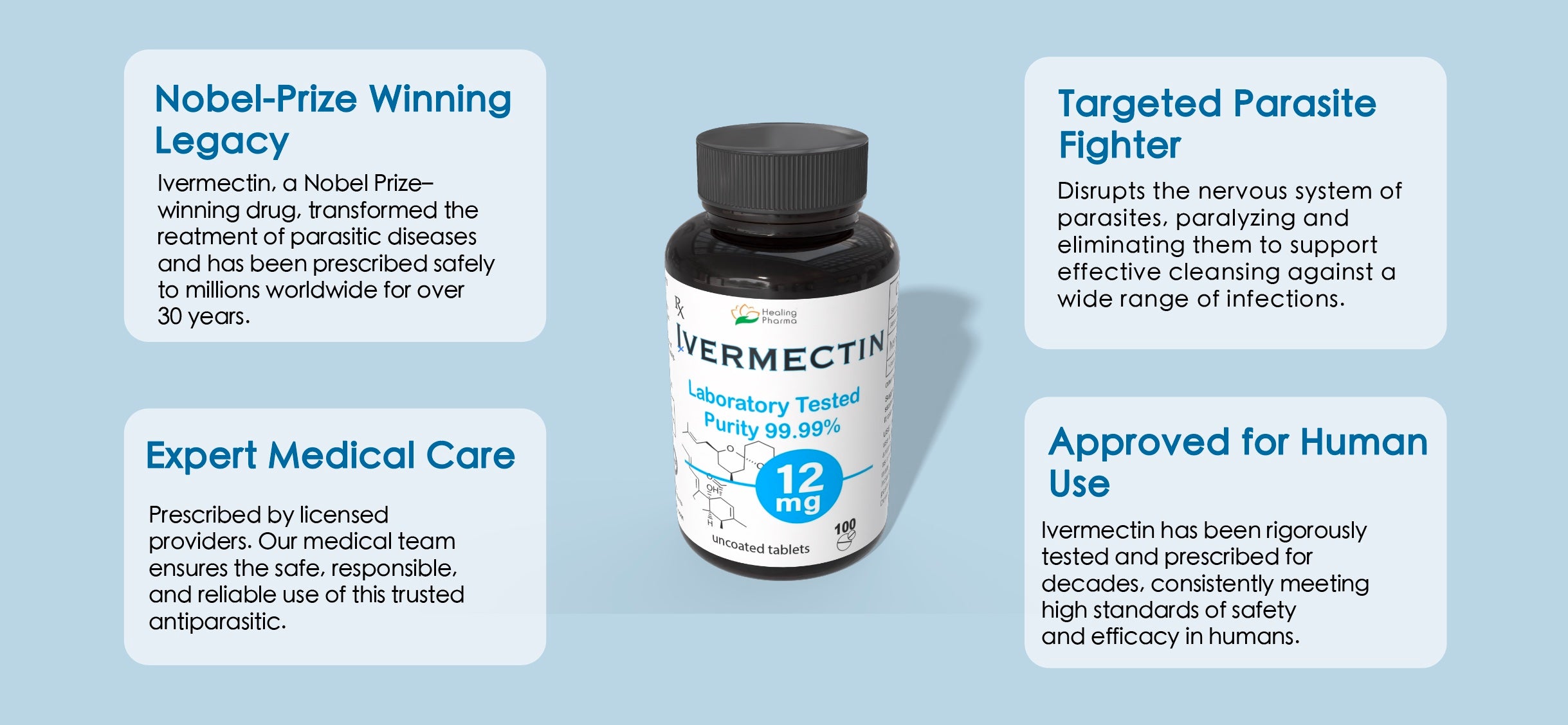
Click below to proceed to the ivermectin 12 mg on Amazon
Due to regulatory guidelines, we offer Ivermectin with the «IveLife» name on our auxiliary site and the «SanareMet» name on our Amazon Store. Rest assured, the product remains the same.
Visit our sister website to explore our Ivermectin products.
FAQs
Do I need a prescription for this product?
Yes! This medication is prescription-only. But don’t worry. When you order from us, we provide a doctor’s prescription for all the medications you select. Doctor's fee is included in the price for all Rx medicine.
How do I take Ivermectin?
Your health care provider will advise on directions for the use of this product. Take only as directed by your medical provider. The intake protocols are available at our informational website: www.energySK.com
WARNING: Do not take if known allergy or hypersensitivity to Ivermectin, Mebendazole, or any other component of the formulation. Significant drug interactions exist and may require dose/frequency adjustments or avoidance. Additional considerations in persons with immunocompromised status. Prolonged use of high dose Mebendazole may cause liver impairment, neutropenia, or agranulocytosis. Consult with a medical provider for use in pregnancy or breastfeeding.
How long does one bottle last?
This is intended to be used for a 21-day parasite cleanse with 14-day breaks between each cleanse. That makes this bottle a 7-month supply for 5 cleanse cycles.
What is the capsule size?
This product is tablet size 0, approximately 4 mm in length. Form: white round compounded tablet
Are any of The Ivermk Company Rx products covered by insurance?
No, The Ivermk Company does not accept any type of health insurance or 3rd party payors like Medicare.
Can I share this product with family members?
The Ivermk Company only offers medications that are prescribed to the specific individual to whom the medication is intended.
The prescribed medications take into account the individual’s medical status based on the clinical intake form, including any noted allergies. All medications have potential for allergic reactions and other adverse effects. Therefore, it is crucial to not allow others to use medications that were not prescribed for them.
These medications should be handled with the same caution as any other prescription medication prescribed by a physician. It is important to adhere to the prescribed usage guidelines and avoid sharing the product with family members unless explicitly advised to do so by a healthcare professional.
What is the shelf life of this product?
The FDA requires pharmacies to label prescription medications with an expiration date, which can be found on the prescription included in your order. While the duration of the expiration date can vary depending on the medication and formulation, most medications, including antibiotics, commonly have a shelf life of around 2 to 3 years.
To optimize the shelf life of medications, it is generally recommended to store them in air-tight containers in a cool and dry environment. However, it is important to note that storage requirements can vary for different medications, so it is advisable to consult with your healthcare professional regarding proper storage conditions.
Information about the FDA’s Shelf-Life Extension Program at the following link below:
https://www.fda.gov/emergency-preparedness-and-response/mcm-legal-regulatory-and-policy-framework/expiration-dating-extension


We utilize IveLife name for Ivermectin
Due to regulatory limitations, certain platforms restrict how Ivermectin can be described or labeled online, so product information is intentionally limited for compliance.

Ivermectin 40mg
Nobel Prize Winning Parasite Cleanse Medication
✔ Cleanse & Detox From Parasites
✔ Convenient 1-Month Supply
✔ FDA-Approved Medication
✔ Doctor-Prescribed
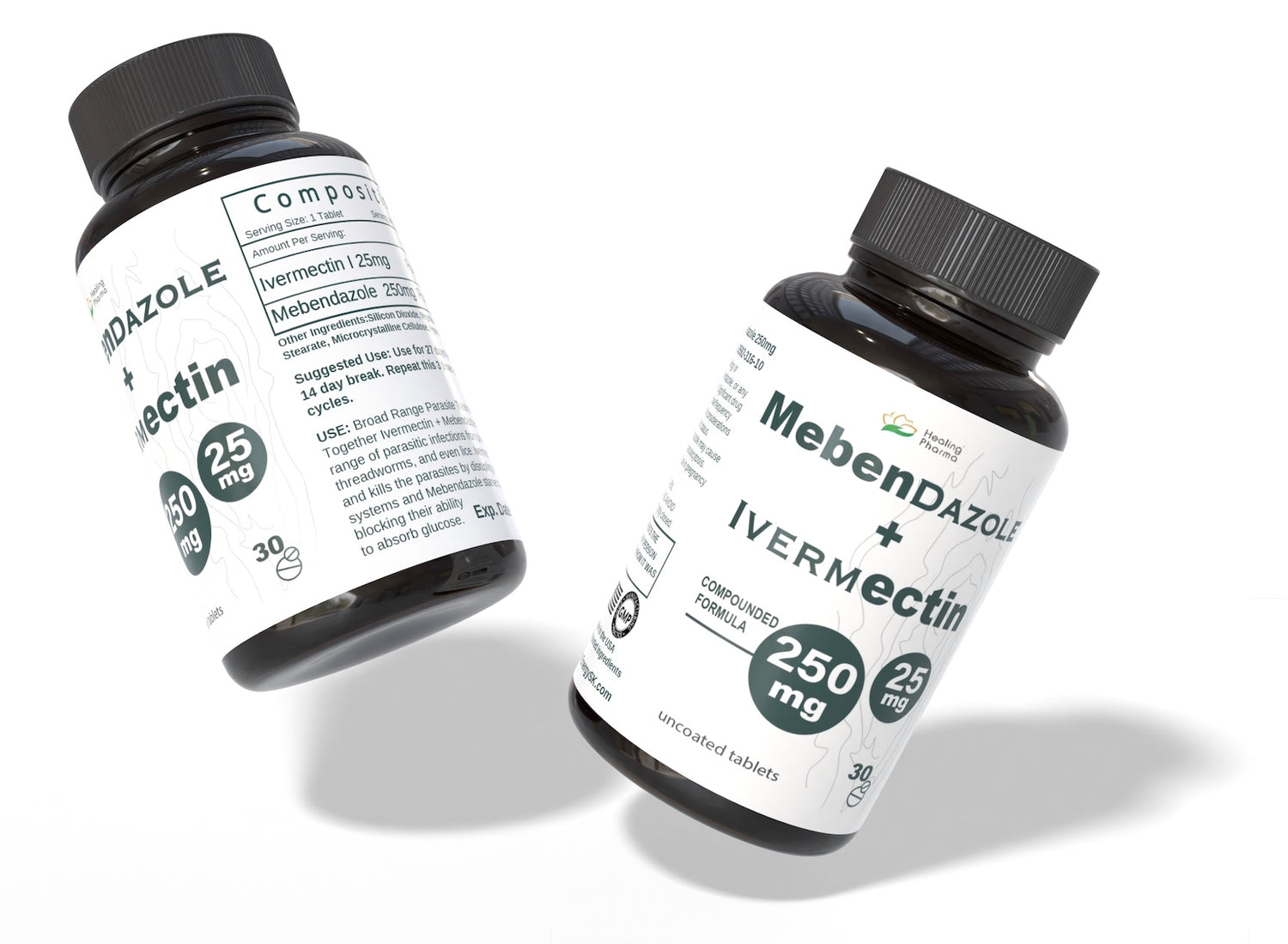

Ivermectin 60mg
Nobel Prize Winning Parasite Cleanse Medication
✔ Cleanse & Detox From Parasites
✔ Convenient 3-Month Supply 60 Tablets
✔ FDA-Approved Medication
✔ Doctor-Prescribed

Ivermectin 24mg
Nobel Prize Winning Parasite Cleanse Medication
✔ Cleanse & Detox From Parasites
✔ Convenient 1-Month Supply
✔ FDA-Approved Medication
✔ Doctor-Prescribed